Join waitlist

More practice at home.Less material to prepare.

Write what the child needs to work on. Shelley’s AI suggests the exercises. You choose which ones go home.
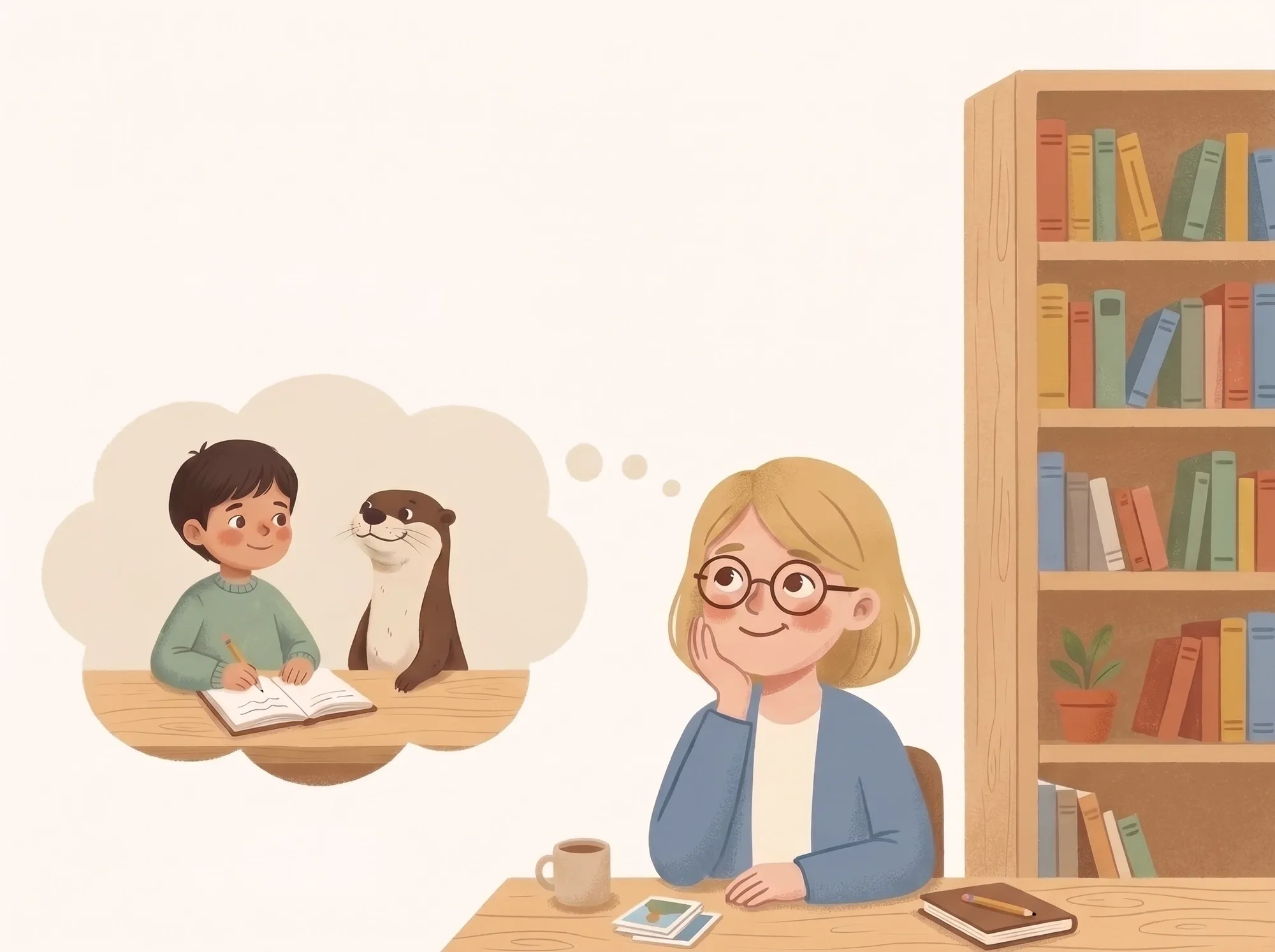
In her studio, the professional smiles as she thinks of the boy she works with: in her thought bubble he practises at the kitchen table, with the otter beside him.

A week goes by between sessions. And at home?

  • They practice a little, or not at all.
  • You only find out what happened at the next session.
  • And you make the materials for the family, every time.

Four steps to practice at home.

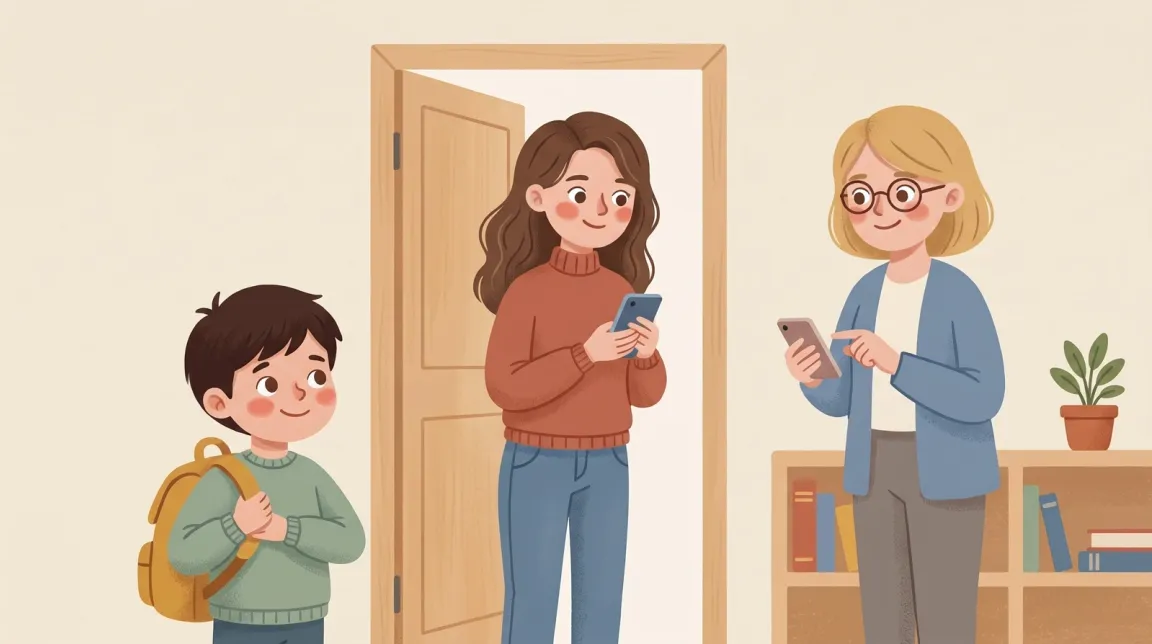
  1. At the studio door, the professional sends the link from her phone while the mother reads it and the boy puts on his backpack

    Invite the family. They join with a link.
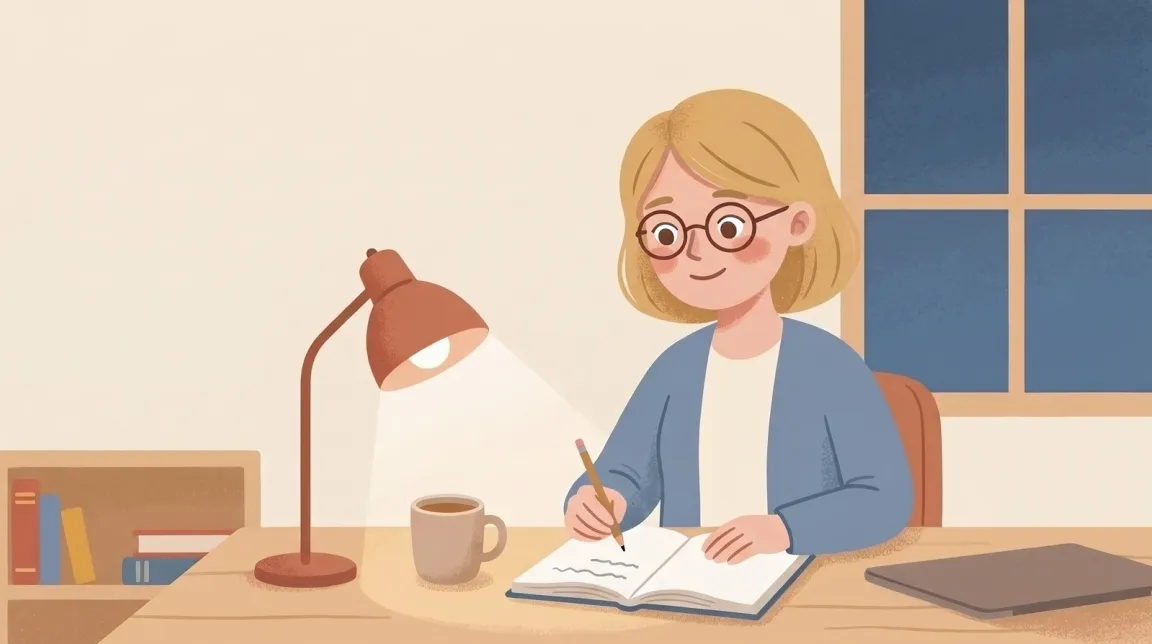
  2. In the evening, the professional writes two lines in a notebook at her desk, under a lamp

    Write what they need. In plain words: what’s still shaky, what needs going over again.
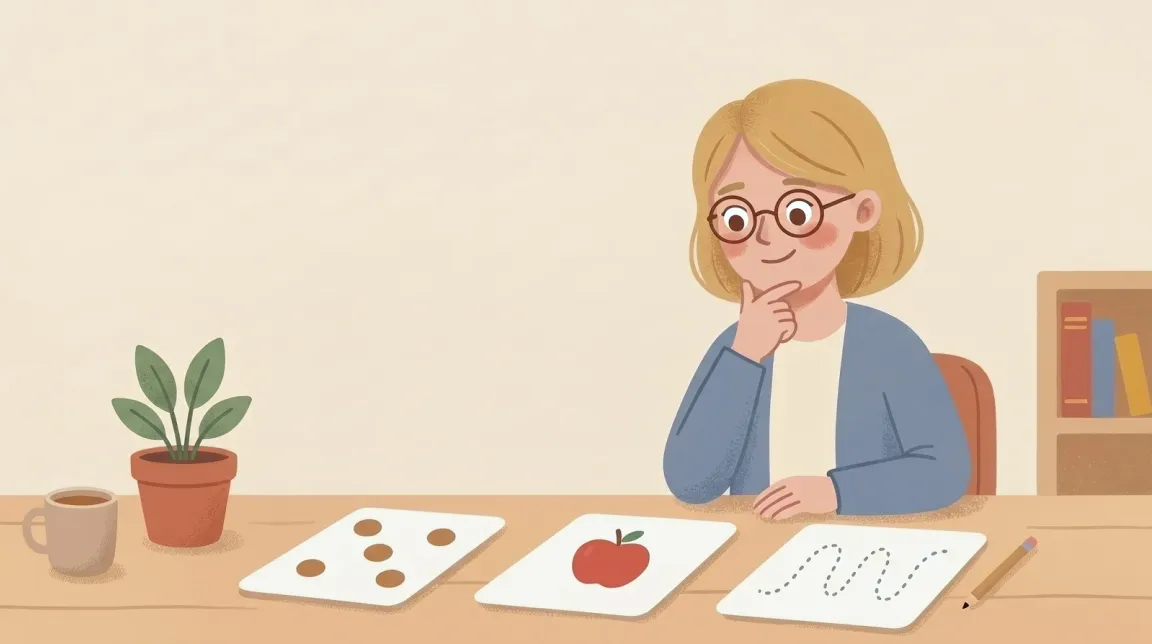
  3. The professional looks at three exercise cards on the table, her hand on her chin

    Shelley suggests. 3–5 exercises, each with the reason why.
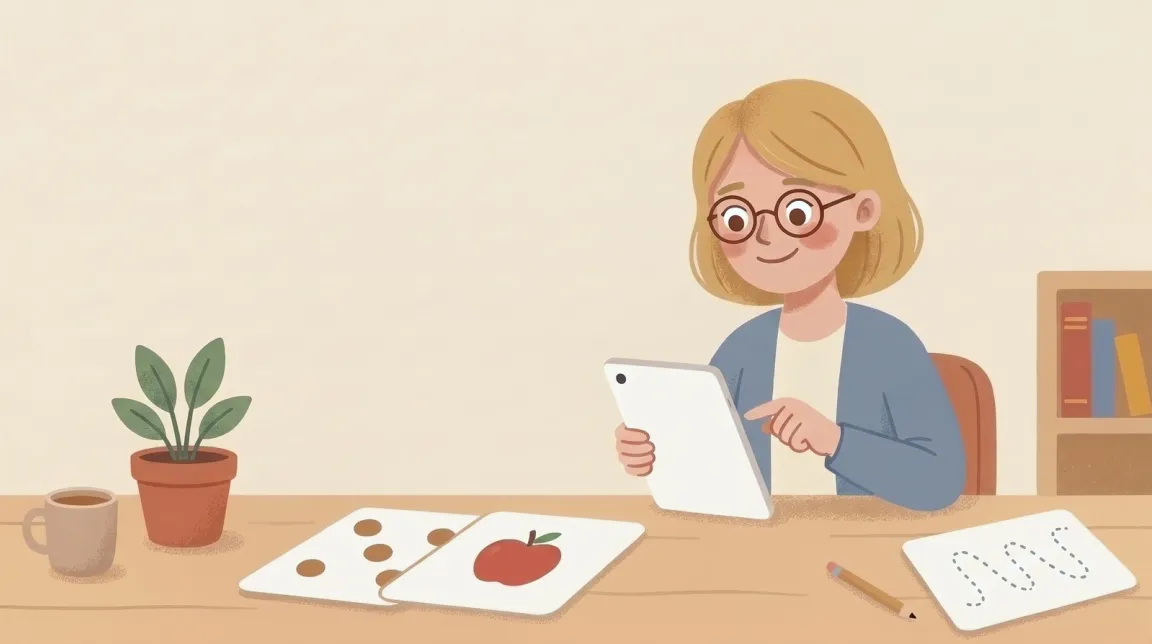
  4. The professional tries an exercise on a tablet, with one of the three cards set aside

    Try, choose, send. The child finds them in their next lesson.

Shelley suggests.You decide.

Only what you choose goes home. Shelley fits it into the lesson at the right level for the child.

Walk into the session already knowing how it went.

  • Who practiced this week, and who didn’t.
  • Where they get stuck, with the kinds of mistakes that keep coming back.
  • A report for your notes and for school meetings.

They get there on their own, one step at a time.

Math

Reading

Writing

Every skill starts from something they can touch or hear and ends with the symbol on the page. When they make a mistake, Shelley gives a hint, never the answer.

You focus on the child. Shelley takes care of the rest.

No prep

Shelley builds every lesson around the goals you set. You don’t make a single worksheet.

Help at home

If they get stuck, Shelley helps: no frustration, nothing left half-done.

Nothing to check

You see the progress, and so does the family, with no worksheets.

Frequently asked questions

Is Shelley a medical device?

No. It’s educational software for everyday practice in math, reading and writing, for kids ages 6 to 9. It isn’t intended to diagnose, treat or monitor any condition.

Can I use it with children who have a diagnosis?

Yes. Shelley is for every child who finds school hard, with or without a diagnosis. The exercises cover school skills only.

What does the family need?

A tablet or a computer with a web browser.

What about the child’s data?

We save nothing about the child without the parent’s consent. Your notes are visible only to you. If the family changes professional, the parent decides what the new one can see.

How much does it cost, for you and for the family?

We’ll share pricing before launch.

Between sessions, the practice goes on.

Shelley is a new tool, still on its way. We’ll let you know as soon as you can use it with the families you work with.


We’ll let you know when Shelley is ready.

By signing up you agree to get emails about Shelley (the launch, early access, news and the odd questionnaire, at most two a month), as explained in our privacy policy. You can unsubscribe whenever you like.